RAMMap || RAMMap Download || Download RAMMap || RAMMap v1.61 || RAMMap Windows 11 || RAMMap Tool || Microsoft RAMMap || RAMMap Microsoft || RAMMap Windows 10
How to Use RAMMap to Monitor and Optimize Windows Memory
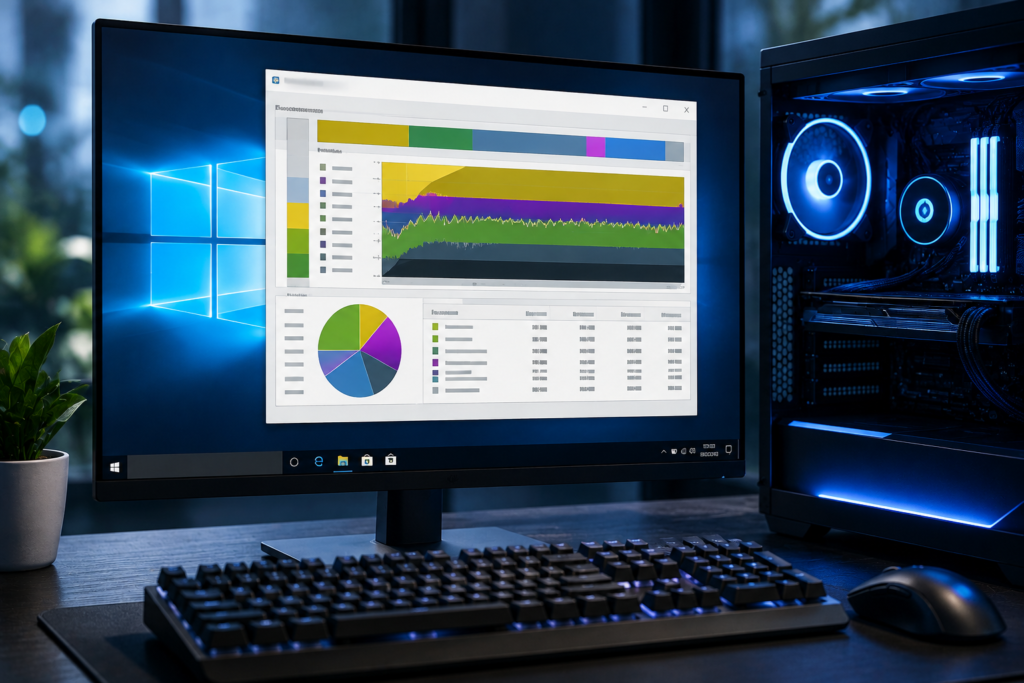
Windows automatically manages system memory, but sometimes you may want a deeper look into how RAM is being used. Whether you’re troubleshooting memory issues, investigating high RAM usage, or optimizing system performance, RAMMap is one of Microsoft’s most powerful memory analysis tools.
If you’ve searched for RAMMap, RAMMap Download, Microsoft RAMMap, RAMMap Windows 11, or RAMMap Sysinternals, this guide explains everything you need to know. You’ll learn what RAMMap is, how it works, how to download it safely, and how to use its features to better understand Windows memory usage.
What Is RAMMap?
RAMMap is a free memory analysis utility developed by Microsoft Sysinternals. It provides a detailed view of how Windows allocates physical memory, helping users identify which processes, drivers, files, and system components are consuming RAM.
Unlike Windows Task Manager, which offers only a basic overview, RAMMap displays advanced memory information, making it valuable for developers, IT professionals, and advanced Windows users.
Popular searches include:
- RAMMap
- RAMMap Tool
- RAMMap Utility
- Microsoft RAMMap
- RAMMap Microsoft
- Microsoft RAMMap Tool
- RAMMap Sysinternals
These terms all refer to the same official Windows memory utility.
Why Use RAMMap?
Windows memory management is complex. Even when Task Manager reports high RAM usage, it doesn’t always explain exactly what’s consuming memory.
RAMMap helps users:
- Analyze physical memory usage
- Identify memory-heavy applications
- View file cache usage
- Investigate driver memory
- Diagnose performance issues
- Monitor standby memory
- Understand Windows memory allocation
Because of its detailed reporting, RAMMap is widely used by Windows administrators and support professionals.
RAMMap Download
One of the most common searches is RAMMap Download.
Since RAMMap is developed by Microsoft, users should always download it from the RAMMap Official Website hosted by Microsoft Sysinternals. Downloading from the official source ensures you receive the latest version without modifications. (learn.microsoft.com)
Related searches include:
- Download RAMMap
- Microsoft RAMMap Download
- Download RAMMap Docs
- RAMMap Official Website
RAMMap v1.61
Many users specifically search for RAMMap v1.61 because older tutorials reference this version.
Microsoft periodically updates RAMMap to improve compatibility and fix bugs. While version numbers may change over time, users should always install the latest release available on the official Sysinternals website.
RAMMap Windows 11
RAMMap fully supports modern versions of Windows, including Windows 11.
Windows 11 users commonly use RAMMap to:
- Investigate memory leaks
- Analyze cache usage
- Monitor application memory
- Troubleshoot high RAM consumption
- Improve system diagnostics
The interface remains similar across supported Windows versions.
RAMMap Windows 10
The tool is equally useful for Windows 10 users.
Typical uses include:
- Finding memory bottlenecks
- Examining standby memory
- Viewing mapped files
- Identifying unused RAM
- Troubleshooting application performance
Because Windows 10 continues to be widely used, RAMMap remains a valuable diagnostic utility.
How to Download RAMMap

Installing RAMMap is straightforward.
Step 1
Visit the RAMMap Official Website on Microsoft Learn.
Step 2
Download the latest version.
Step 3
Extract the downloaded ZIP file.
Step 4
Run RAMMap.exe with administrator privileges.
Step 5
Allow the program to scan your system memory.
Within seconds, RAMMap displays a detailed overview of physical memory usage.
Understanding the RAMMap Interface
RAMMap contains several useful tabs.
Use Counts
Displays how physical memory is allocated.
You’ll see categories such as:
- Active Memory
- Standby Memory
- Modified Memory
- Free Memory
- Zeroed Memory
This overview helps identify how Windows is managing RAM.
Processes
Shows memory usage by individual applications.
This makes it easier to identify programs consuming unusually large amounts of RAM.
File Summary
Displays cached files currently stored in memory.
Windows often caches files to improve performance, and this tab shows exactly how much memory those cached files occupy.
Physical Pages
Provides one of the most detailed views available.
It shows physical memory page allocation, making it particularly useful for advanced troubleshooting.
File Details
Allows users to determine which files occupy cached memory.
Developers and administrators frequently use this information when diagnosing storage and caching behavior.
RAMMap Clear Cache
One of RAMMap’s most popular features is RAMMap Clear Cache.
Users can clear:
- Standby List
- Modified Page List
- Working Sets
- System Cache
This feature is commonly used during troubleshooting or performance testing.
However, clearing memory caches should not be considered a regular method of improving Windows performance. Windows automatically manages memory efficiently, and unnecessary cache clearing may temporarily reduce performance while the cache rebuilds.
When Should You Use RAMMap?
RAMMap is useful in situations such as:
- High RAM usage
- Slow system performance
- Memory leak investigation
- Software testing
- Driver troubleshooting
- Performance analysis
- System diagnostics
It provides much more detailed information than Task Manager alone.
Who Uses RAMMap?
RAMMap is widely used by:
- System administrators
- Windows engineers
- Software developers
- IT support teams
- Computer technicians
- Advanced Windows users
Although beginners can use it, understanding Windows memory management helps interpret its advanced reports.
Benefits of Microsoft RAMMap
Some advantages include:
- Free Microsoft utility
- Detailed memory reporting
- Portable application
- No installation required
- Lightweight
- Easy interface
- Advanced diagnostics
- Regular Microsoft updates
These features make RAMMap one of the most respected Windows memory analysis tools.
RAMMap Temple
Some users search for RAMMap Temple.
In most cases, this appears to be a search variation or typo rather than a separate RAMMap feature or Microsoft product. Users looking for RAMMap should refer to the official Microsoft Sysinternals documentation.
Best Practices for Using RAMMap
To obtain the best results:
- Run RAMMap as Administrator.
- Close unnecessary applications before testing.
- Compare memory usage before and after changes.
- Use Task Manager together with RAMMap.
- Download updates only from Microsoft.
- Avoid clearing caches unless troubleshooting.
These practices provide more accurate diagnostics.
Is RAMMap Safe?
Yes.
Since Microsoft RAMMap is published by Microsoft Sysinternals, it is generally considered safe when downloaded from the official Microsoft website.
Always avoid unofficial downloads or modified versions from unknown websites.
Final Thoughts
RAMMap remains one of the most powerful free utilities for understanding Windows memory usage. Whether you’re searching for RAMMap Download, Microsoft RAMMap, RAMMap Windows 11, RAMMap Windows 10, RAMMap Sysinternals, or RAMMap Tool from Microsoft, the utility provides advanced insights that go far beyond Task Manager.
Its detailed memory analysis, portable design, and official Microsoft support make it an excellent choice for IT professionals, developers, and anyone troubleshooting Windows performance. By learning how to read its reports and use features like RAMMap Clear Cache responsibly, you can better understand how your system manages memory and diagnose performance issues more effectively.
Frequently Asked Questions (FAQs)
1. What is RAMMap?
RAMMap is a free Windows memory analysis utility developed by Microsoft Sysinternals that displays detailed information about physical memory usage.
2. Where can I download RAMMap?
You should download RAMMap only from the official Microsoft Sysinternals website.
3. Does RAMMap work on Windows 11?
Yes. RAMMap fully supports Windows 11.
4. Does RAMMap support Windows 10?
Yes. It is compatible with Windows 10 and remains widely used for memory diagnostics.
5. Is RAMMap free?
Yes. Microsoft provides RAMMap free of charge.
6. What does RAMMap Clear Cache do?
It allows users to clear standby memory, system cache, working sets, and other cached memory during troubleshooting.
7. Is clearing RAM cache recommended?
Only when troubleshooting specific performance or testing scenarios. Windows normally manages memory efficiently on its own.
8. Is RAMMap better than Task Manager?
RAMMap provides significantly more detailed memory information than Task Manager, making it useful for advanced diagnostics.
9. Is RAMMap safe to use?
Yes. When downloaded from Microsoft’s official Sysinternals website, RAMMap is considered safe.
10. Who should use RAMMap?
IT professionals, developers, system administrators, computer technicians, and advanced Windows users who want detailed insight into Windows memory usage.